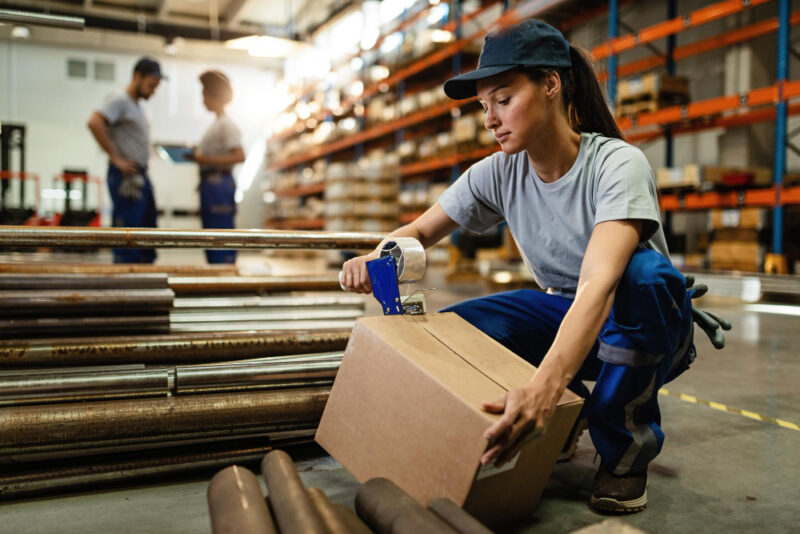

Sustaining absolute product integrity while goods are in transit is a major logistical challenge for manufacturers and distributors alike. From the moment items leave the assembly floor to their final arrival at a retail distribution centre, they are subjected to continuous physical stress, shifting warehouse temperatures, and the rough realities of long-distance transport.
When items are poorly protected or packed using substandard materials, businesses face a high risk of stock damage, costly product returns, and fractured client relationships. Forward-thinking operations managers recognise that effective transit protection is not just an operational expense, but a fundamental way to safeguard customer satisfaction.
Preventing transit damage requires a strategic look at how bulk goods are secured and stacked for forklift handling and interstate shipping. Investing in heavy-duty pallet packaging solutions gives businesses the structural foundation needed to stabilise heavy loads, prevent shifting, and shield fragile inventory from impact.
Using high-quality timber designs and industrial-grade wrapping techniques ensures that complex cargo remains perfectly intact through every stage of the distribution cycle, protecting your bottom line from preventable warehouse losses.
Smart Industrial Stacking Methods that Protect Fragile Cargo
The practical value of premium transport materials becomes obvious during the hectic day-to-day routine of loading trailers and stacking high-density storage racks. When loose boxes or irregular payloads are simply placed onto standard platforms without proper reinforcement, the risk of crushing or collapsing increases dramatically during sudden transit stops.
Utilising custom-engineered timber crating and precise weight distribution techniques allows dispatch teams to build highly secure, uniform blocks of inventory that maximise trailer space without placing undue stress on the products underneath.
Tailoring your structural packaging choices to the specific type of goods you handle is essential for smooth warehouse operations. For instance, heavy industrial machinery requires thick timber blocks and robust bracing, while fresh produce or consumer goods rely on open-slat designs that allow air to circulate freely and prevent moisture build-up.
Implementing these targeted, material-specific setups helps businesses completely bypass the common shipping bottlenecks caused by spilled stock or broken boxes, keeping delivery schedules perfectly on time.
Sustainable Timber Choices for Long-Term Distribution Efficiency
Upgrading your freight protection framework also provides an excellent opportunity to improve workplace safety and support smarter environmental practices. Flimsy, single-use shipping materials often fail under pressure, creating serious safety hazards for forklift drivers and picking staff who have to clear up broken pallets and unstable stacks.
Choosing sustainably sourced, commercial-grade timber structures ensures that your transport equipment can safely withstand continuous industrial use, keeping your workforce safe from the dangers of sudden structural failure.
Furthermore, relying on durable timber products makes it incredibly easy for logistics teams to repair, reuse, and ultimately recycle their shipping assets, drastically reducing the volume of packaging waste heading to landfill. Working alongside an experienced local supplier who understands regional trade standards and exact load-bearing limits allows you to build a reliable, cost-effective logistics network.
This professional approach ensures your supply chain remains highly efficient, structurally sound, and perfectly prepared for steady commercial growth.